From Brood to your Food: Why Apiculture Matters Every Day
After the Kenyan government suspended tea factory partnerships with the Rainforest Alliance in May 2025 over concerns about its impact on smallholder farmers, the move -from the world’s third-largest tea exporter - has intensified global debate around ethical sourcing in food and drink production.
In this blog, we explore what the suspension means for certification within the agri-tech industry and how data-driven approaches could offer a viable alternative for proving ethical and sustainable practices.
Many sustainability schemes are shifting from action-based models to impact-based approaches where certification is awarded based on demonstrated environmental outcomes. For example, some certification is awarded based on results and impact, over actions taken (such as planting wild hedgerows)
At AgriSound, we deploy smart sensor networks, using our Polly™ device, which delivers real-time data on pollinator activity across agricultural landscapes. This method allows our partners to:
In this blog, we explore what the suspension means for certification within the agri-tech industry and how data-driven approaches could offer a viable alternative for proving ethical and sustainable practices.
- Global crop producers are beginning to move away from using ‘traditional’ sustainable certifications
- Very few global sustainable certification schemes include pollinator activity as part of their measurements
- Data-driven pollinator monitoring is critical to sustainability and biodiverse practices in agriculture and should be included in more global certification schemes
The suspension stems from concerns over the high cost of certification and the strain it places on smallholder farmers who are the backbone of Kenya’s tea industry and a vital link in global supply chains.
For UK consumers, who often unknowingly sip on blends grown in Kenyan soil, the decision exposes a deeper imbalance. Sustainability credentials are prized by Western brands and shoppers, but the financial burden of achieving them is often carried by those least able to afford it.
With only one in five Kenyan tea workers currently earning enough to support their families, there’s a pressing need to rethink how certification works and who it should serve.
Environmental certifications in agriculture: Who supports pollinators?
As well as the Rainforest Alliance, several regional and international environmental certification schemes aim to promote sustainable farming. These include:- Fairtrade Foundation - Known for its minimum price guarantees and community premiums, Fairtrade supports agroecological practices, but it has only recently started to address pollinators explicitly within its standards
- Organic certifications (EU Organic, USDA Organic) - These standards prohibit synthetic pesticides - indirectly supporting pollinators - but they do not explicitly track pollinator outcomes
- Regenerative Organic Certification (ROC) - A newer standard which explicitly includes biodiversity and pollinator health as core pillars of its indicators and measurement tools
- Bee Better Certified - A U.S. based programme which specifically focuses on pollinator protection, requiring participating farms to preserve or restore pollinator habitat and reduce pesticide uses across their operations.
While these schemes vary in scope and impact, very few directly monitor pollinator activity at farm level. This leaves a critical gap since biodiversity and insect health are central to sustainable agriculture. Some certification schemes provide extra recognition or premium benefits for organisations using methods which support pollinators, but implementation remains inconsistent and difficult to verify without robust data.
The opportunity: Data-driven certifications
As discussions around sustainable certification continue to evolve, there is a growing opportunity for technology and ecological monitoring to bridge the gap between cost, transparency, and measurable impact.Many sustainability schemes are shifting from action-based models to impact-based approaches where certification is awarded based on demonstrated environmental outcomes. For example, some certification is awarded based on results and impact, over actions taken (such as planting wild hedgerows)
At AgriSound, we deploy smart sensor networks, using our Polly™ device, which delivers real-time data on pollinator activity across agricultural landscapes. This method allows our partners to:
- Quantify pollination services, linking ecosystem health directly with their crop yield and quality
- Benchmark grade farms on their biodiversity performance, allowing for scalable, reliable, and verifiable assessments to be conducted over time
- Lower audit costs, by generating digital records of key ecological indicators such as bee activity, habitat usage, and seasonal trends, which can be accessed as standard through our online dashboards, in real time.
Integrating the data our Polly™ device generates into future certification models, means that schemes can become more outcome-focused, transparent, and equitable.
Governments, such as in Kenya, are already exploring localised, low-cost sustainability standards. These could be greatly strengthened through real-time environmental monitoring, especially when linked to productivity metrics.
More locally, AgriSound is working with certification bodies such as LEAF Marque in the UK to explore how our innovation can support the next generation of sustainable agriculture standards.
A path forward: Certifying the invisible
Pollinators are essential to over 75% of food crops, yet their contribution is often omitted from certification systems. A future where farmers are rewarded for demonstrating real ecological outcomes, such as improved pollinator populations, requires new tools.
We are committed to supporting that future by providing auditable, affordable, and scalable pollinator monitoring through our Polly™ device.
As tea-producers and other industries re-evaluate what ethical certification should look like, we stand ready to make the system future-proof with data-driven operations. Discover how you can boost the biodiversity on your production site, using valuable insights, by getting in touch today. 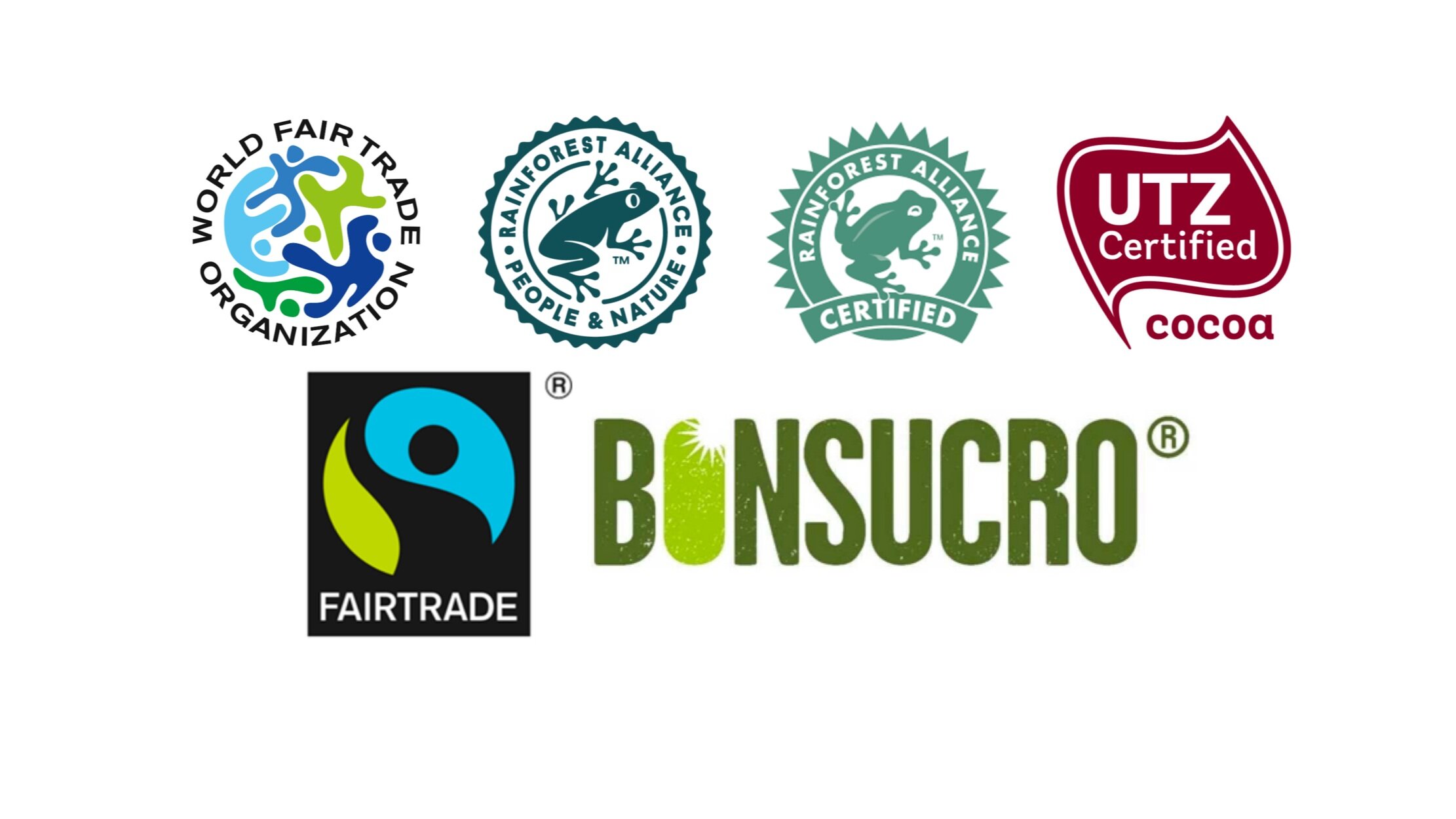
.png?height=200&name=unnamed%20(1).png)