.png?height=200&name=unnamed%20(1).png)
Climate change is actively rewriting the rules of life on Earth. Among the most overlooked victims...
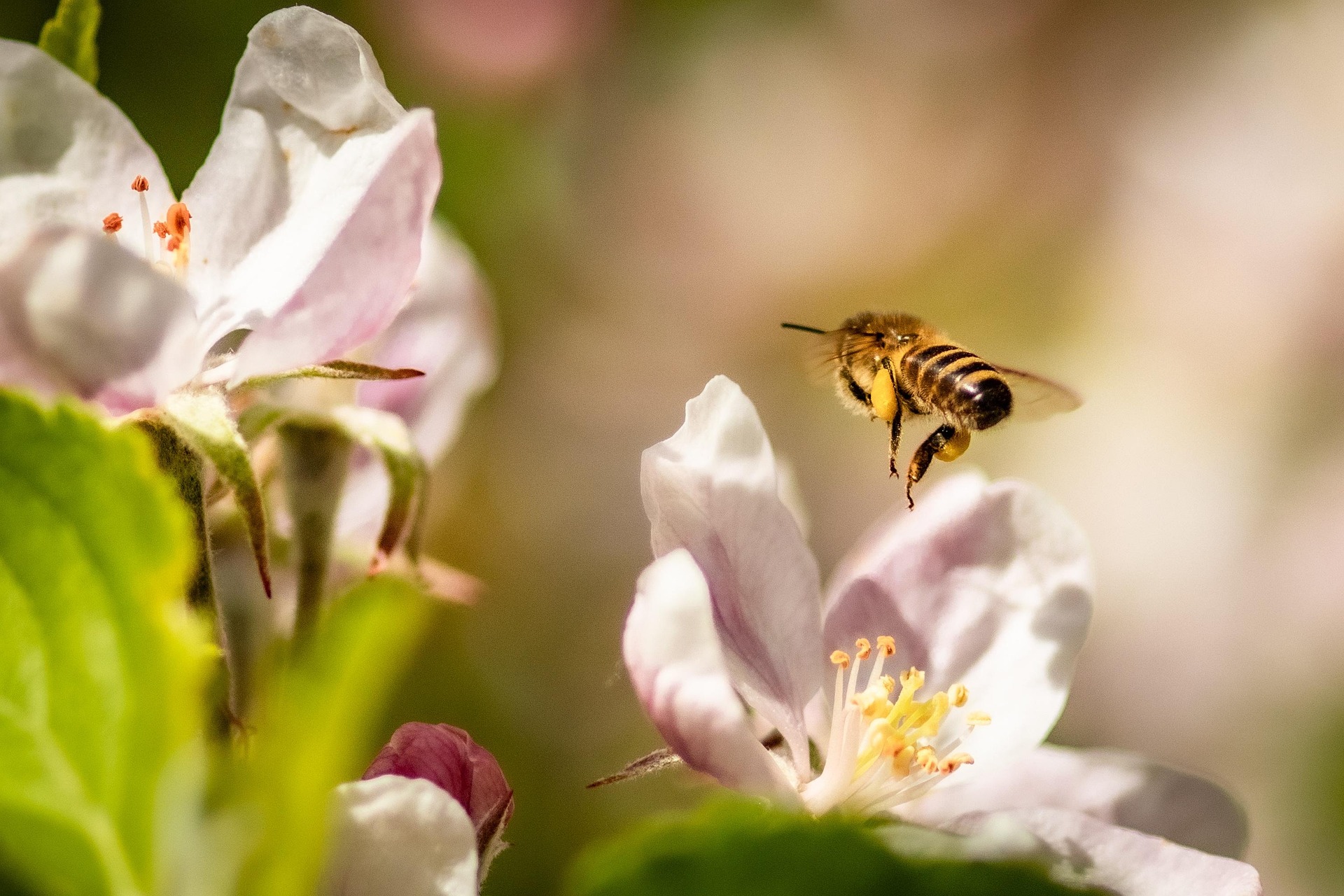
As global food production faces increasing pressure, improving crop yields has never been more important. Inefficient pollination remains a major barrier for many farmers, especially as climate change disrupts natural ecosystems. Artificial Intelligence (AI) is now playing a growing role in addressing this challenge.
Dr Casey Woodward, founder and CEO of AgriSound, discusses how innovations like AgriSound’s Polly™ device, are allowing growers to monitor pollinator activity in real time to make informed, sustainable decisions to improve crop yields.
Dr Casey Woodward, founder and CEO of AgriSound, discusses how innovations like AgriSound’s Polly™ device, are allowing growers to monitor pollinator activity in real time to make informed, sustainable decisions to improve crop yields.
- Crop yields can be negatively affected by inefficient pollination activity
- AI can be used to determine pollinator habits and inform farming practices globally
- AgriSound’s Polly™ device can support nature’s biodiversity, not replace it completely.
The problem: Inefficient pollination leading to lost crops
Farmers growing high-value crops such as avocados, dates, and almonds often face a common challenge: unreliable pollination. Despite millions of honeybees being trucked into almond orchards each season, yields are still inconsistent, and bee mortality continues to rise. Avocados and dates in particular, have complex pollination needs which natural processes don’t always meet.- Avocados have a unique flowering cycle, with male and female flowers opening at different times of day, which makes pollination time critical
- Date palms rely on a mix of wind and insect pollination, but in many growing regions both are often unpredictable
- Almonds bloom for only a short period, which leaves pollination at the mercy of the weather and bee activity during that narrow window.
These are only select examples; every pollinator dependent crop faces similar problems.
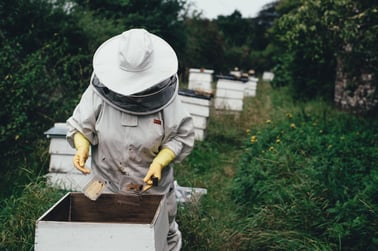
Traditionally, farmers have placed beehives in orchards and hoped for the best, but bees don’t always visit the right flowers at the right time - this creates a major pollination gap.
AI powered pollinator management can make a difference to these gaps. By using technology to monitor bee activity and pollination patterns in real time (like our Polly™ device), growers can gain a clear picture of what's working, what isn’t, and when exactly to intervene. It’s a smarter, more precise way to manage pollination and ensure better yields in an increasingly uncertain climate.
AI’s place in crop production practices
AI is rapidly transforming the way pollination is managed in agriculture. As natural pollinators continue to decline, AI-powered solutions are emerging as a critical tool to protect crop yields and prevent food security challenges. Technologies such as drone-assisted pollination, predictive analytics, and digital twins are already improving pollination efficiency and resilience.
In 2023, researchers at Monash University published a study using recordings of activity to track pollinators like honeybees and hoverflies, creating a database of over 2,000 insect flight paths on a commercial strawberry farm. The Hebrew University of Jerusalem also unveiled an AI-based bee tracking system, in 2024, designed to optimise pollination in complex crops like dates and avocados.
These innovations help maintain consistent yields, whilst offering more sustainable and precise farming methods, by reducing pesticide use and optimising pollinator activity.
Companies and research institutions globally are actively exploring AI-driven systems to future-proof their operations. As the market for AI in agriculture grows, more agribusinesses are recognising the value of adopting these technologies to stay competitive, increase productivity, and contribute to a more resilient food system.
AI with responsibility: Supporting nature, not replacing it
Whilst improving pollination practices is critical, our industry must be careful not to disrupt the natural balance by chasing only short-term solutions. The goal should be to create the right conditions and timing for natural (or managed) pollinator activity, to allow pollinators like honeybees, bumblebees, and wild insects to do their job effectively.
We can use data-driven decisions to improve hive placement, timing, and overall pollinator management. These steps can offer quick wins, especially when weather conditions are unpredictable. But we shouldn’t shift our focus entirely toward artificial solutions such as drones or mechanical blowers; these tools should be sought as a short term, emergency solution for example during poor weather spells.
Nature has already given us the best pollinators and while replacing them may seem productive for farms, pollinators also play a critical role in supporting wild plants and ecosystems. If we remove them from the equation, we risk damaging not only crop yields, but biodiversity too.
At AgriSound, we believe in using AI responsibly, not as a replacement for nature. We encourage the use of AI to understand and support pollinators; it can help us to study bee behaviour, monitor activity, and identify the best conditions for pollination. With this knowledge, we can create environments where bees thrive and continue to do what they do best: pollinate. This way, we improve yields and protect the natural biodiverse systems which sustain us.
Interested to learn more about how AI can help pollinators?
We support food growers and organisations worldwide to manage their pollination practices using the power of AI technology, through our Polly™ device. Having real-time data can be critical in establishing sustainable farming practices rapidly, to manage their biodiverse landscapes efficiently. Learn more by getting in touch today.